When looking at the ultimate showdown of HTML5 vs mobile games, the battle has officially been decided by players who are sick and tired of deleting their precious memories just to make room for another bulky app. Are you exhausted by the endless cycle of downloading massive files, sitting through tedious updates, and fighting that dreaded "Storage Full" notification? You definitely aren't alone. In 2026, the digital entertainment landscape has shifted dramatically, moving away from heavy native applications and sprinting toward the frictionless magic of instant-play web games. Today's casual gamers demand fun on their own terms—no waiting, no hidden fees, and absolutely no installations.
This massive shift in consumer behavior isn't just a passing trend; it is a fundamental evolution in how we access digital entertainment. The days of treating your smartphone like a cramped digital locker are over. With modern web browsers becoming incredibly powerful, the barrier to entry for high-quality gaming has dropped to absolute zero. Whether you are commuting to work, waiting at a doctor's office, or just lounging on the couch, the ability to dive into an adventure with a single tap is changing the industry forever. In this comprehensive guide, we are going to explore exactly why the era of app store dominance is fading, how cross-platform technology is bridging the gap, and why the future of casual gaming lies in seamless, purely joyful experiences.
HTML5 vs Mobile Games: The End of the "Storage Full" Nightmare
If you have ever had to play an agonizing game of digital Tetris on your smartphone, choosing which photos, videos, or apps to sacrifice just to try out a new puzzle game, you know the struggle is real. In the debate of HTML5 vs mobile games, the sheer size of native applications is the biggest dealbreaker for modern users. Over the last few years, mobile games have become notoriously bloated. What used to be a simple, lightweight distraction has morphed into a gigantic file hoarding gigabytes of your device's memory. Developers pack these apps with uncompressed audio files, heavy high-resolution textures, and endless advertising tracking SDKs that bog down your phone's storage.
The Psychology of App Deletion
Consumers have finally reached their breaking point with app bloat. According to recent industry statistics, an astonishing 32% of users say freeing up storage space is their primary reason for deleting apps. People are actively rejecting entertainment that acts like a parasite on their device's hard drive. When a casual gamer just wants a quick five-minute mental break, asking them to sacrifice 2GB of their phone's storage is a completely unreasonable demand. This is precisely why the retention rates for native mobile apps are plummeting. Data shows that by Day 30, the average app retention rate can drop to a dismal 2–4%. Players are installing games, realizing how much space they consume, and immediately tossing them into the digital trash bin.
Browser-based HTML5 games solve this storage crisis instantly and elegantly. Because these games are hosted entirely on secure cloud servers and rendered directly within your web browser, they require zero local storage space. You do not download anything. You do not install anything. You simply click a link and start playing. This no-download instant play model means you can bounce between hundreds of different games in a single afternoon without ever sacrificing a single megabyte of your device's permanent storage. It is the ultimate liberation for your smartphone, allowing you to keep your photos, videos, and essential apps intact while still enjoying world-class digital entertainment.
HTML5 vs Mobile Games: The Cross-Platform Gaming Performance Revolution
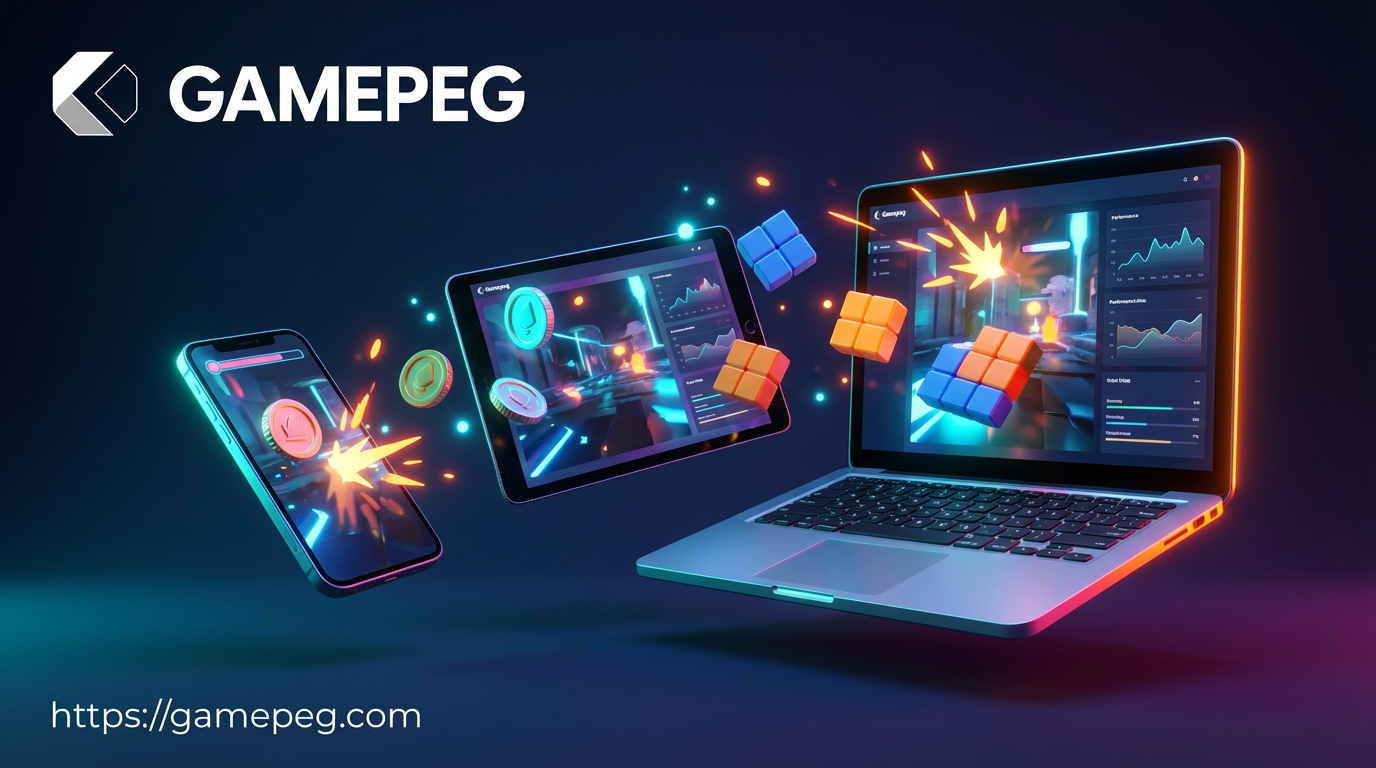
For years, native app developers argued that browser games simply couldn't compete with the speed and graphical fidelity of downloaded applications. However, in 2026, the technological landscape has completely transformed, effectively settling the HTML5 vs mobile games performance debate once and for all. The evolution of web technologies has been nothing short of spectacular, turning standard mobile browsers like Chrome and Safari into high-octane gaming engines capable of running complex, visually stunning experiences.
WebAssembly and the Speed of Modern Browsers
The secret weapon behind this performance revolution is WebAssembly (Wasm). This cutting-edge technology allows developers to compile complex game code so that it runs natively within the browser. Industry experts note that WebAssembly delivers exceptional execution efficiency, offering performance that operates within 1.5x of native code speeds. What does this mean for the casual gamer? It means that the frustrating lag, stuttering frame rates, and clunky controls of early browser games are a relic of the past. Today's HTML5 games deliver buttery-smooth animations, responsive controls, and crisp high-definition graphics that rival anything you can find in an app store.
Preserving Your Battery Life
Another critical victory in the realm of cross-platform gaming performance is battery optimization. Native mobile games are notorious resource hogs, draining your battery faster than almost any other application. In fact, excessive battery drain and resource consumption are leading causes of user frustration, with 53% of users abandoning or uninstalling apps due to slow loading and poor performance. Because mobile-optimized web gaming leverages the highly refined, efficient infrastructure of modern web browsers, these games place significantly less strain on your device's CPU and RAM. You get all the vibrant graphics and energetic gameplay without turning your smartphone into a portable space heater. This efficient performance ensures that you can enjoy extended gaming sessions without desperately hunting for a charging cable.
HTML5 vs Mobile Games: Why Zero-Barrier Entertainment is Winning
We live in an era of instant gratification. When we want a movie, we stream it immediately. When we want food, we order it with a tap. So why should gaming be any different? When evaluating HTML5 vs mobile games, the friction associated with traditional app stores feels incredibly outdated. The modern consumer demands zero-barrier entertainment, and the traditional app download process is littered with frustrating roadblocks that kill the joy of gaming before it even begins.
The Friction of the App Store Experience
Think about the typical process required to play a new native mobile game. First, you have to navigate to the app store. Then, you search for the game, verify that it is compatible with your device, and check the file size. Next, you tap download and wait—sometimes for several minutes if you are on a cellular network. Once it finally installs, you open the app, only to be hit with a mandatory loading screen, a request to track your activity across other apps, a forced account sign-up page, and a tedious unskippable tutorial. By the time you actually get to play the game, your five-minute break is already over. It is a deeply flawed user experience that punishes the player.
"The future of casual gaming isn't about building bigger apps; it's about removing the barriers between the player and the play button."
The Magic of Instant-Play Web Games
In stark contrast, instant-play web games respect your time. The zero-barrier approach is beautifully simple: you see a game you want to play, you tap it, and you are immediately immersed in the action. There are no downloads, no installations, no complex sign-up forms, and no mandatory data-harvesting permissions. This frictionless environment is why the global HTML5 game market is experiencing explosive growth, with projections suggesting it could reach a staggering $22.5 billion by 2025. Casual gamers—whether they are busy parents, commuting teenagers, or professionals taking a quick lunch break—are voting with their time. They are actively choosing the immediate, energetic fun of browser-based HTML5 games over the cumbersome, time-consuming chore of managing native applications.
HTML5 vs Mobile Games: Escaping Endless Updates and Hidden Paywalls
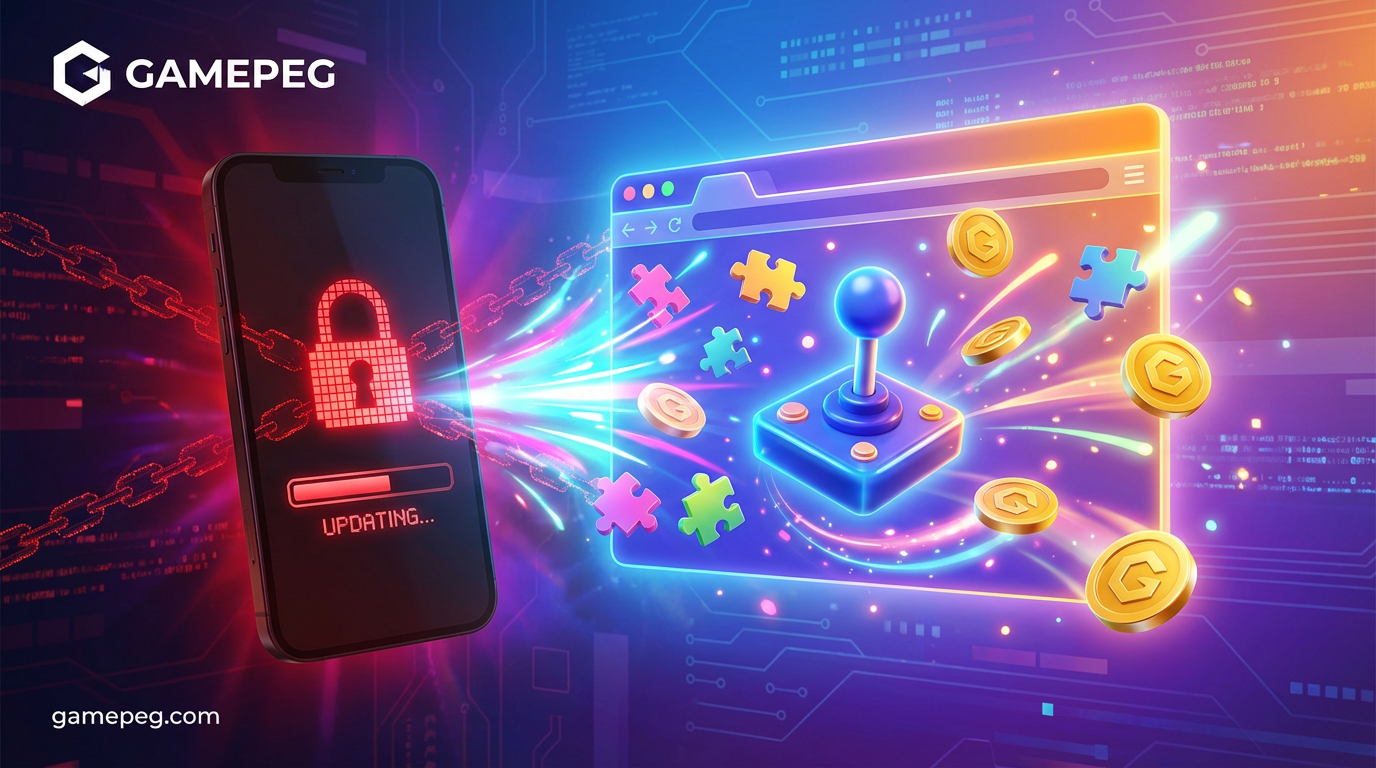
If there is one thing more annoying than downloading a massive app, it is the endless cycle of mandatory updates. In the ongoing comparison of HTML5 vs mobile games, the maintenance required to keep native apps functioning is a massive source of consumer fatigue. How many times have you opened a mobile game you haven't played in a few weeks, only to be locked out by a screen demanding a 500MB update before you can proceed? This forced maintenance completely destroys the spontaneous joy of casual gaming.
The Cloud-Based Advantage
Browser-based HTML5 games completely eliminate the update treadmill. Because these games live on the web rather than on your local device, the developers handle all the updates, bug fixes, and content expansions on the server side. Every single time you open a game in your browser, you are instantly playing the most recent, most optimized version available. There is zero waiting and zero maintenance required on your end. This seamless delivery system ensures that your gaming experience is consistently fresh, stable, and ready to go the exact second you are.
The Death of the Hidden Paywall
Beyond the technical frustrations, native mobile games have cultivated a notoriously predatory monetization culture. Many app store titles market themselves as "free to play," only to throttle your progress behind aggressive hidden paywalls, confusing premium currencies, and manipulative timed lockouts. You play for ten minutes, and suddenly you are out of "energy" unless you swipe your credit card.
The web gaming ecosystem fundamentally rejects this model. Premium free online games are largely supported by transparent, non-intrusive advertising that doesn't gatekeep the core fun. The focus remains on pure, uninterrupted gameplay. Players can explore vast catalogs of action, arcade, puzzle, and strategy titles without ever worrying about accidental in-app purchases or hidden subscription fees. It is a more honest, relaxing, and enjoyable way to interact with digital entertainment, prioritizing the user's experience over aggressive microtransactions.
HTML5 vs Mobile Games: The Rise of Mobile-Optimized Web Gaming
The demographic of the "gamer" has evolved. We are no longer just talking about dedicated enthusiasts sitting in front of high-end desktop rigs. Today, everyone is a gamer. From young children solving colorful puzzles to adults testing their reflexes with fast-paced arcade challenges, the audience is incredibly diverse. When analyzing HTML5 vs mobile games, it becomes obvious that browser technology is uniquely suited to serve this vast, universal demographic through true mobile-optimized web gaming.
Responsive Design for Every Device
One of the greatest triumphs of modern HTML5 architecture is its inherent responsiveness. A well-designed browser game does not care if you are using a state-of-the-art iPhone, a five-year-old Android tablet, or a desktop computer. The game dynamically adapts its resolution, touch controls, and UI scaling to perfectly match the screen you are using. This true cross-platform capability means you can start a time-management game on your PC during your lunch break, and seamlessly pick up a quick arcade challenge on your phone while riding the train home. You are never restricted by your hardware or your operating system.
Catering to the Casual Mindset
Casual gamers are looking for specific types of experiences. They want games that are easy to learn but difficult to master. They crave the dopamine rush of beating a high score on a leaderboard without committing to a 40-hour storyline. Mobile-optimized web gaming delivers exactly this. The genre diversity available right in your browser is staggering:
- Action & Arcade: Fast-paced, adrenaline-pumping challenges that test your reflexes and timing.
- Puzzle & Strategy: Brain-teasing logic games that provide a satisfying mental workout during a quick break.
- Time-Management: Engaging, task-juggling simulations that keep you delightfully busy without causing stress.
Because there is no barrier to entry, players are highly encouraged to experiment. If a puzzle game isn't clicking with your mood, you don't have to navigate a complex uninstallation process—you simply close the tab and open an action game instead. This freedom to explore is entirely unique to the web-based ecosystem.
HTML5 vs Mobile Games: How Gamepeg is Leading the No-Download Era
As the industry pivots away from bloated apps and embraces the lightweight future of the web, finding a trusted, high-quality platform becomes essential. In the ultimate contest of HTML5 vs mobile games, Gamepeg stands out as the premier destination for casual gamers of all ages. We understand exactly what players want: instant, frictionless, and purely enjoyable digital experiences without any of the traditional app store headaches.
A Massive Library of Instant Entertainment
Gamepeg is a dynamic digital entertainment platform offering an extensive, curated catalog of over 300 free HTML5 browser games. Our unique value proposition is built entirely around the concept of zero-barrier entertainment. When you visit our platform, you are stepping into a massive arcade where every single machine is set to "Free Play" and requires zero loading time. We specialize in delivering smooth, lightweight performance across all your devices, whether you are swiping on a smartphone, tapping on a tablet, or clicking on a desktop.
The Gamepeg Guarantee
What truly sets our platform apart is our unwavering commitment to a hassle-free user experience. When you play with Gamepeg, you are guaranteed:
- No Downloads or Installations: Save your storage space for the things that matter. Our games stream instantly through your standard browser.
- No Sign-Ups Required: We don't force you to hand over your email address or create complex passwords just to have fun. Jump straight into the action.
- No Hidden In-App Purchases: Say goodbye to predatory paywalls and confusing premium currencies. Our catalog is completely cost-free, ensuring a safe and relaxing environment for children, teens, and adults alike.
- Mobile-Optimized Excellence: Every title in our library is meticulously optimized to ensure blazing-fast load times, responsive touch controls, and battery-friendly performance on your mobile device.
Our brand tone is fun, energetic, and casually inviting because we believe gaming should be a source of immediate joy, not a chore. Whether you want to test your wits in a complex strategy game, beat your high score in a frantic arcade challenge, or just zone out with a relaxing puzzle, Gamepeg provides the ultimate hassle-free playground.
HTML5 vs Mobile Games: Your Next Great Adventure Awaits
The verdict for 2026 is crystal clear. The debate of HTML5 vs mobile games has been decisively won by the power, speed, and convenience of the modern web. The era of hoarding massive app files, suffering through constant mandatory updates, and surrendering your personal data to aggressive app stores is rapidly coming to a close. Today, the power of instant-play web games allows you to transform any device with a browser into a world-class gaming console in a matter of seconds. By embracing cross-platform gaming performance and a strict no-download philosophy, we are stepping into a golden age of accessible, zero-barrier entertainment.
Why waste another second watching a download bar slowly crawl across your screen? It is time to reclaim your device's storage, protect your battery life, and rediscover the pure, unadulterated fun of casual gaming. Ready to experience the future of instant entertainment? Head over to Gamepeg's massive library today, browse our collection of over 300 free online games, and jump directly into the action. No downloads, no sign-ups, no hidden fees—just pure, instant fun waiting for you right now. Click, play, and let the games begin!